网站导航



In the challenging world of oil drilling, the fluid end of your mud pump is constantly under attack. When circulating abrasive drilling fluids—such as those with high sand content or heavy weighting materials like barite—the wear on your liners can be astronomical. For users of the F series mud pump, choosing the right liner material is a critical decision that directly impacts rig uptime and maintenance costs. In this guide, we will compare the two most popular options: bi-metal and zirconia ceramic, to help you optimize your triplex mud pump performance.
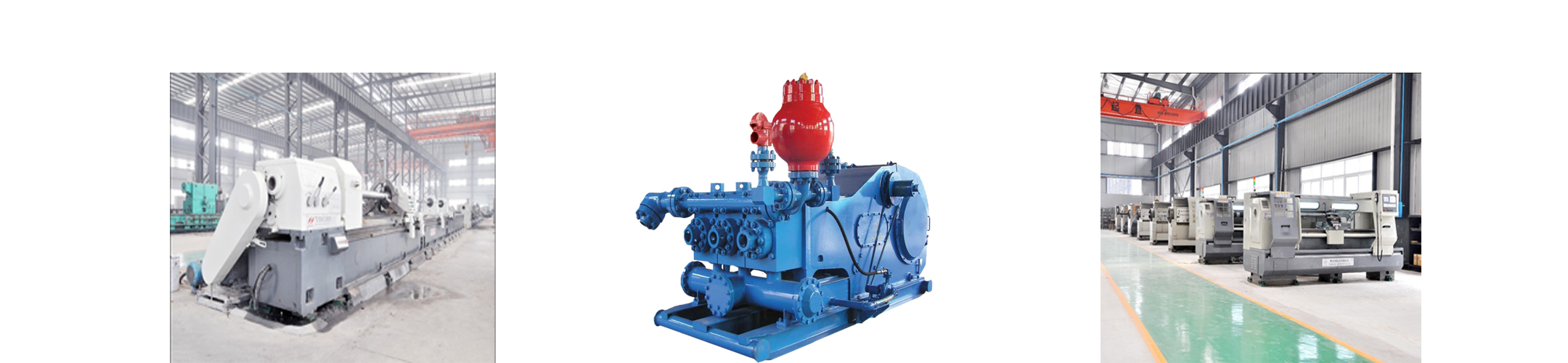
Figure 3: Selecting the Right Material Extends the Life of Mud Pump Liners
Bi-metal liners have been the industry standard for F series mud pumps for decades. They consist of a high-strength steel outer shell and a high-chrome inner sleeve. This combination provides excellent impact resistance and a smooth surface that minimizes piston friction. Bi-metal liners are a cost-effective choice for many petroleum exploration projects where the drilling fluid is moderately abrasive. However, in extreme conditions, even the hardest chrome sleeve can begin to pit and score, leading to frequent liner changes and decreased mud pump performance.
For high-abrasion, high-pressure, and high-temperature wells, **zirconia ceramic liners** are the ultimate solution. Zirconia is significantly harder and more corrosion-resistant than any chrome alloy. When used in an F series mud pump, ceramic liners can last up to 4,000 to 10,000 hours—often 3 to 10 times longer than bi-metal alternatives. While the initial cost is higher, the massive reduction in downtime and the extended life of the pistons (due to the smoother ceramic surface) make them the far more cost-effective choice for top-tier drilling contractors.
Abrasive drilling fluids act like liquid sandpaper, eroding the metal surfaces of the fluid end. Bi-metal liners rely on their chrome hardness to resist this erosion. Zirconia ceramic, however, is a non-metallic material that is virtually immune to the chemical corrosion and electrochemical pitting that often plagues steel liners. In offshore drilling, where saltwater and corrosive chemicals are common, the non-corrosive nature of ceramic liners is a major advantage for maintaining mud pump integrity and consistent drilling rig pumps pressure.
One trade-off with zirconia ceramic is its sensitivity to physical impact. While ceramic liners are incredibly hard, they are also more brittle than steel. In an F series mud pump, care must be taken during installation to avoid "clashing" with tools or the crosshead. Bi-metal liners, being made of steel and chrome, are much more forgiving of accidental impacts. However, modern packaging and improved manufacturing techniques have made ceramic liners much more robust for field use, and the performance benefits far outweigh the need for a little extra care during handling of your oil rig equipment.
To maximize the mud pump ROI, you must match the liner material to your well program. If you are drilling easy, vertical sections with low-solids mud, bi-metal liners are perfect. But for deep, directional, or high-density mud wells, ceramic is the professional’s choice. By reducing the frequency of liner changes, you not only save on parts but also reduce the safety risks associated with fluid end maintenance on the rig floor. At Rig-Pump, we provide both high-quality bi-metal and premium zirconia ceramic liners produced to API 7K standards, ensuring you always have the right tool for the job.
In conclusion, the decision between bi-metal and ceramic liners for your F series mud pump is an investment in your project's reliability. For abrasive drilling fluids, there is no substitute for the durability of zirconia. By making the right choice, you can ensure that your triplex mud pump remains an asset rather than a maintenance liability. Visit Rig-Pump today to consult with our specialists and select the perfect liners for your next challenging drilling campaign.


