网站导航



Choosing the transmission system for a triplex mud pump is a decision that affects the rig's layout, maintenance complexity, and operational reliability. In the world of F series mud pumps, two primary methods dominate the market: the heavy-duty chain drive and the flexible belt drive. Both systems have their loyal supporters in the **oil drilling** community. Whether you are outfitting a mobile land rig or a massive offshore platform, understanding the technical differences between these two mud pump performance drivers is essential for optimizing your petroleum exploration infrastructure.
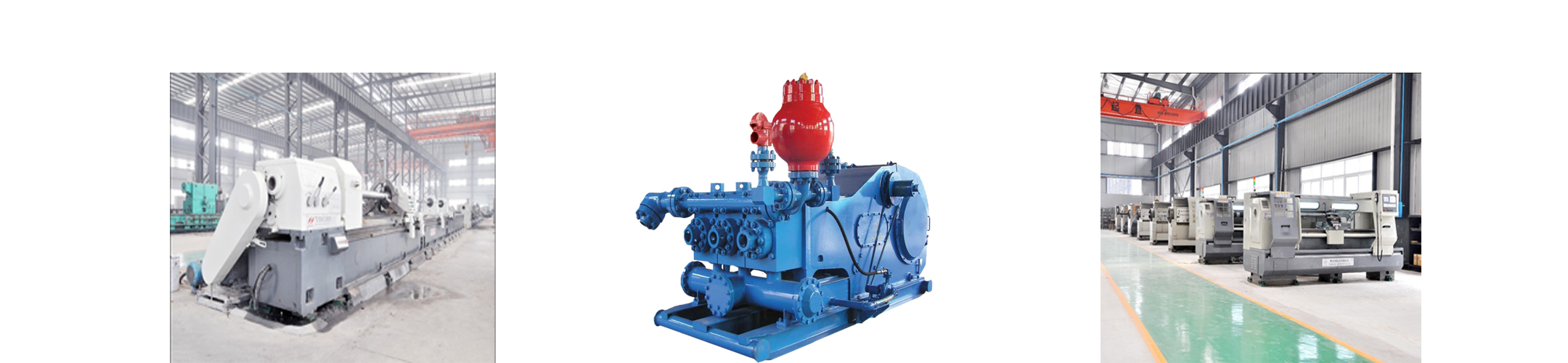
Figure 3: Chain Drives Offer High Load Capacity and Compactness for F Series Pumps
Chain drives have long been the traditional choice for high-horsepower mud pumps. They use heavy-duty roller chains and sprockets enclosed in an oil-tight case. The primary advantage of a chain drive in an F series mud pump is its ability to transmit massive amounts of torque within a relatively compact space. This makes it ideal for oil drilling rigs where footprint is limited. Furthermore, because the chain is continuously lubricated, it is highly resistant to heat and can handle the extreme environmental conditions found in petroleum exploration without slipping or degrading.
In recent years, high-performance V-belt and synchronous belt drives have become increasingly popular for triplex mud pumps. The main appeal of a belt-driven F series mud pump is its simplicity and dampening capability. Belts provide a natural "cushion" between the motor and the pump, absorbing some of the mechanical shocks and vibrations. This can lead to a longer life for both the power end of the pump and the electric motor. Additionally, mud pump maintenance is often easier with belts, as they do not require an oil-sealed case and can be visually inspected and replaced without opening the oil rig equipment main housing.
From a maintenance perspective, chain drives are "set and forget" until they require major service. However, when a chain does need replacement, it is a labor-intensive process involving the removal of oil and the heavy casing. Belt drives, conversely, require more frequent tension checks but are significantly faster to service. In offshore drilling, where every hour of downtime counts, the ease of belt replacement can be a decisive factor. However, for deep well drilling where torque demands are continuous and extreme, the "locked" positive engagement of a chain drive ensures there is zero power loss due to slip.
Environment plays a role in mud pump selection. Chain drives are fully enclosed, protecting the transmission from sand, dust, and coastal salt spray. This makes them a robust choice for desert or marine petroleum exploration. Belt drives can be sensitive to extreme temperature fluctuations and chemical exposure, which may cause the belt material to stretch or become brittle. When configuring an F series mud pump for specialized tasks, these environmental factors often dictate which drive system will provide the highest long-term mud pump ROI.
Generally, belt drive systems have a lower initial purchase price and are lighter, which reduces shipping costs for oil drilling equipment. However, the Total Cost of Ownership (TCO) may be lower for a chain drive pump over a 10-year period due to the durability of the chain. For high-utilization rigs, the initial premium for a chain-driven triplex mud pump is often justified by its ruggedness. At **Rig-Pump**, we offer F series mud pumps in both configurations, allowing you to choose the transmission that best aligns with your specific operational and budgetary goals.
In conclusion, neither drive system is universally superior; the choice depends on your rig's specific constraints and the drilling environment. Whether you prioritize the compact torque of a chain drive or the shock-absorbing simplicity of a belt drive, ensure your F series mud pump is built to the highest API 7K standards. At Rig-Pump, our engineering team can help you evaluate your rig's power needs and select the transmission system that will deliver peak performance for years to come. Visit us today to explore our full range of oil rig equipment solutions.


